
Search Copper River Unclaimed Money
Copper River Census Area unclaimed money searches start with Alaska's state portal, but the local clue is often a land file, an old mailing address, or a record tied to the Alaska Department of Natural Resources instead of a city office. That fits a small place with few local layers. The safest first step is to check the state claim tools, then follow any recorder or parcel hint back to the source. If you are searching your own name, a family name, or a business name, the state system can still turn up the record even when the local trail is thin.
Copper River Unclaimed Money Search
The main Copper River unclaimed money search begins at Alaska Unclaimed Property, where the Treasury Division keeps the statewide program. The claim search portal at unclaimedproperty.alaska.gov/app/claim-search lets you search by last name or business name, review the property details, and open a claim when a match looks right. If you want a second pass, MissingMoney is the national database Alaska also uses, so it can catch a record that was tied to an old Copper River address or an account name that changed over time.
The Treasury Division homepage at treasury.dor.alaska.gov and the official contact page at unclaimedproperty.alaska.gov/app/contact-us are the best places to confirm the current office details if the portal gives you a claim number or asks for more proof. Alaska keeps the program at the state level, which matters in a wide area like Copper River. There is no separate local unclaimed money office in the research here, so the state claim path is the one to trust first.
That state path is useful because it is built for both people and businesses. A Copper River file might start with a bank account, a refund, a wage check, or a business balance that sat still for years. Once you find the right record, the portal gives you a clean place to move forward instead of making you chase old paper by hand. The search is free, and the result page can show enough detail to tell you whether the claim is worth a deeper look.
The Alaska Department of Natural Resources Recorder's Office at dnr.alaska.gov/ssd/recoff/ is the right state doorway when a Copper River unclaimed money clue starts with a deed, a lien, or another recorded file.
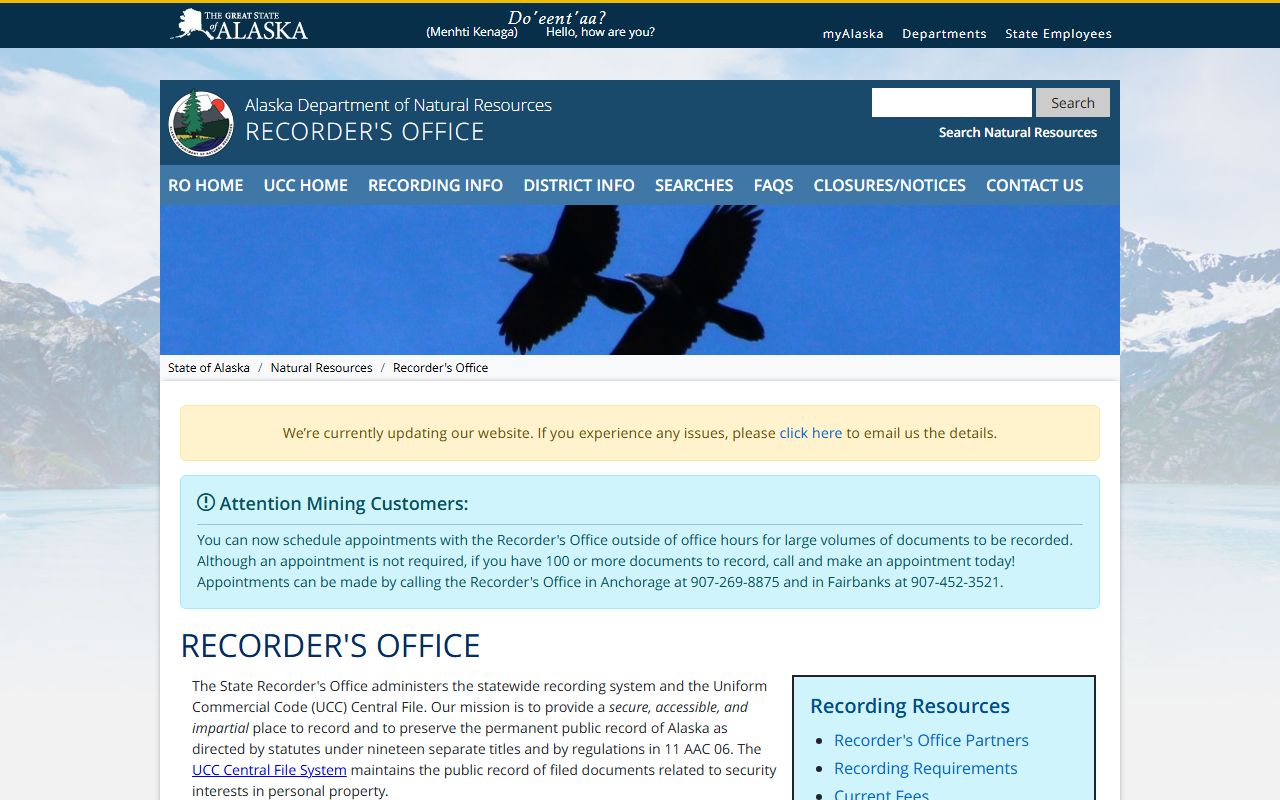
That office does not replace the claim portal, but it can explain where a land or title trail begins before you move back to the unclaimed property search.
Copper River DNR Records
Research for Copper River points to Alaska DNR for property records, which is why the Recorder's Office matters here. In a small census area, you may not find a local counter for every record type. Instead, the useful trail can run through a state recorder page, a parcel note, or an old land entry that still names the right owner. That is normal for a place with a small population and spread-out services. The recorder page helps you read the paper trail before you decide whether the money belongs in the state unclaimed property system.
If a Copper River clue comes from a lot, a right of way, or a file that names a past owner, the DNR recorder path can help you sort the name from the place. Then the Alaska claim portal can take over. That split keeps the search clean. DNR handles the record history. Treasury handles the unclaimed money claim. When those two paths line up, the file is much easier to follow. When they do not, the state contact page can help you ask the right office which path fits your record.
The Alaska state portal at unclaimedproperty.alaska.gov is still the place that holds the claim once the record has been turned over.
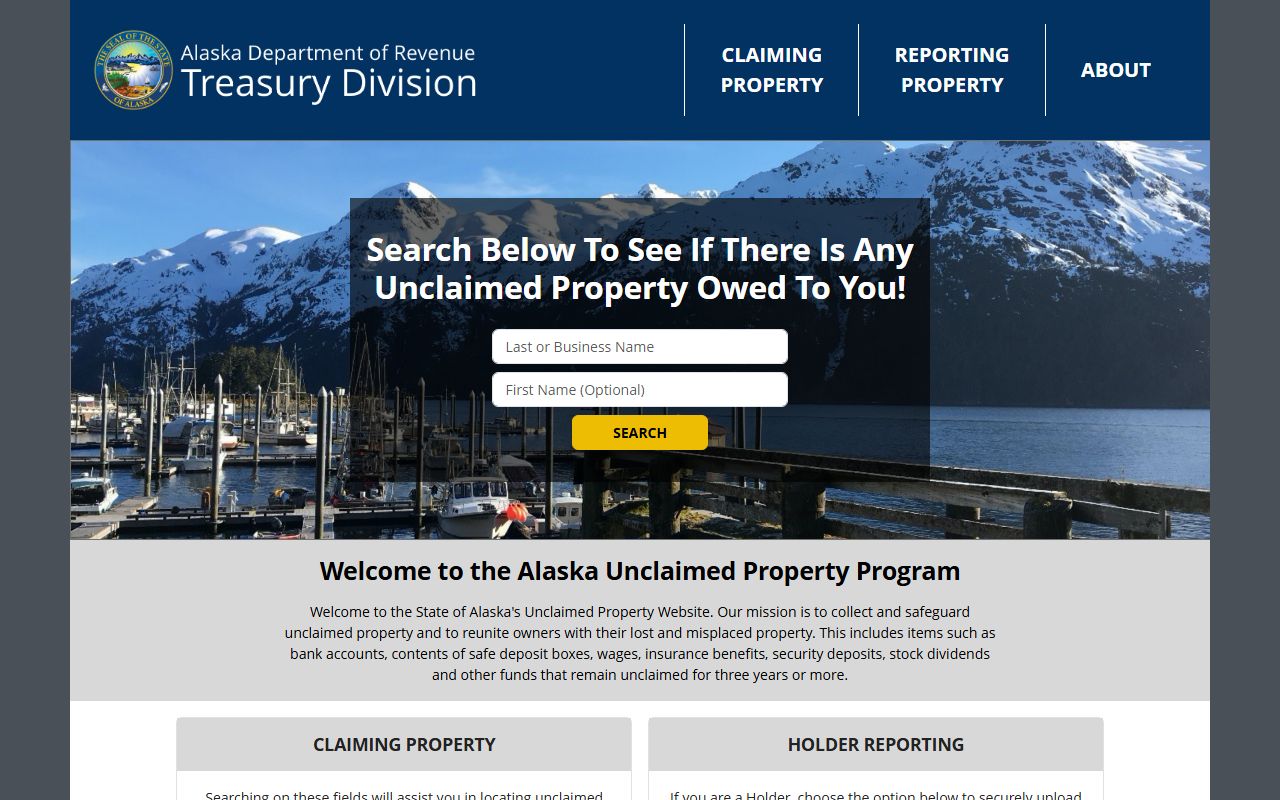
It is the cleanest place to move from a local land clue into a real Copper River unclaimed money claim.
Copper River Unclaimed Money Law
Copper River unclaimed money follows Alaska law, not a local rule set. The main law is AS 34.45, and the 2023 update is in Senate Bill 231. Those rules matter because they set the dormancy clock and explain when property is treated as abandoned. For general intangible property, the period is now three years. That shorter clock can move some balances to the state faster than older rules did, so it is worth checking old names, old jobs, and old bank ties.
The law also says owners can claim property indefinitely. That is a strong point for Copper River residents, heirs, and businesses. Time does not cut off the claim once the state takes custody. The Alaska Treasury Division still holds the money until the owner or heir proves the link. For a long-quiet account, that can be the difference between a lost lead and a real claim. The Alaska law page gives the legal frame, while the Treasury Division page shows the program that runs it day to day.
If you want a second authority check, the Alaska page at unclaimed.org/reporting/alaska is the NAUPA reference for the state's reporting setup. It helps confirm that Alaska uses the national unclaimed property reporting model and that holder reports still flow through the Treasury side. That makes the record path easier to trust when the local clue is thin and the state file is the only solid lead.
Claiming Copper River Unclaimed Money
When a Copper River record shows up in the Alaska claim search, the portal lets you start the claim, upload files, and track the claim number after you submit it. That is helpful because the file stays tied to one case instead of turning into a string of mailings. The system can ask for a signed claim form, a government ID, proof of your current address, and, for heir claims, a death certificate or probate papers. It is a plain process, but the proof has to match the owner or the estate.
After emailed instructions go out, claimants generally have 90 days to respond with the needed documents. That window is long enough to gather papers, but it is still easy to miss if you set the file aside. The state also keeps valid owner claims open indefinitely, so an old Copper River balance does not vanish just because the years passed. If the claim involves a failed bank or a court fund, use the right source before you file. The FDIC state directory points bank failure money back to Alaska, and the U.S. Bankruptcy Court for the District of Alaska handles court unclaimed funds.
That means the best order is simple. Check the Alaska portal first. Use the DNR recorder path if the clue begins with land or title. Then file the claim through the Treasury system once the record is clear. The no-time-limit rule helps, but the document match still matters, so it pays to keep your proof neat and current before you submit anything.
More Copper River Sources
If the Copper River file still feels split between local land records and a state balance, the contact page at unclaimedproperty.alaska.gov/app/contact-us is the best place to get the current mailing address, phone number, and email for the Alaska Unclaimed Property Program. The same page gives you the Juneau office details for the Treasury Division, which is useful when you need to send a paper file or ask which document fits your claim.
The official portal at unclaimedproperty.alaska.gov and the claim search page at unclaimedproperty.alaska.gov/app/claim-search should stay at the front of the search. Copper River is small enough that you may not find a county-style desk or a local claims office. That is fine. Alaska keeps the property centrally, and the state system is built for that exact situation. If you remember only a former employer, an old bank, or an old family name, try those clues in the portal and then follow the paper trail from there.
The Treasury Division homepage at treasury.dor.alaska.gov and the NAUPA Alaska page at unclaimed.org/reporting/alaska are the last official checks worth keeping close. They confirm the program, the reporting side, and the state contact path. For Copper River, that is usually enough to get from a thin local clue to a usable claim file.