
Search Alaska Unclaimed Money
Alaska Unclaimed Money is easiest to start through the state portal, but the right path depends on what you are looking for and how much proof you already have. The Alaska Department of Revenue Treasury Division runs the program, and its tools let owners search by name, check claim status, and move from a match to a claim file without guessing at the next step. If you are helping a parent, spouse, or heir, the same process can still work. Begin with the state search, then move outward to related records and local pages when you need more detail.
Alaska Unclaimed Money Search
The official Alaska portal is the main place to search first. It is built for owners who want a simple name search, a clear claim path, and a way to upload documents through a secure channel. The claim search page shows the property record, while the contact page helps when a name match needs a human answer. That mix matters in Alaska because claims can move from a fast online lookup to a paper file if the ownership trail needs extra support.
When you use the state tools, keep the name spelling broad at first. Try old addresses, business names, or a maiden name if that fits the record you are chasing. Alaska Unclaimed Money often shows up after a move, a closed account, or a payment that never reached the right place. A clean search helps you spot the claim, while the contact page gives you the office path if the portal does not answer every question.
For the official Alaska Unclaimed Property site, see the state portal source.
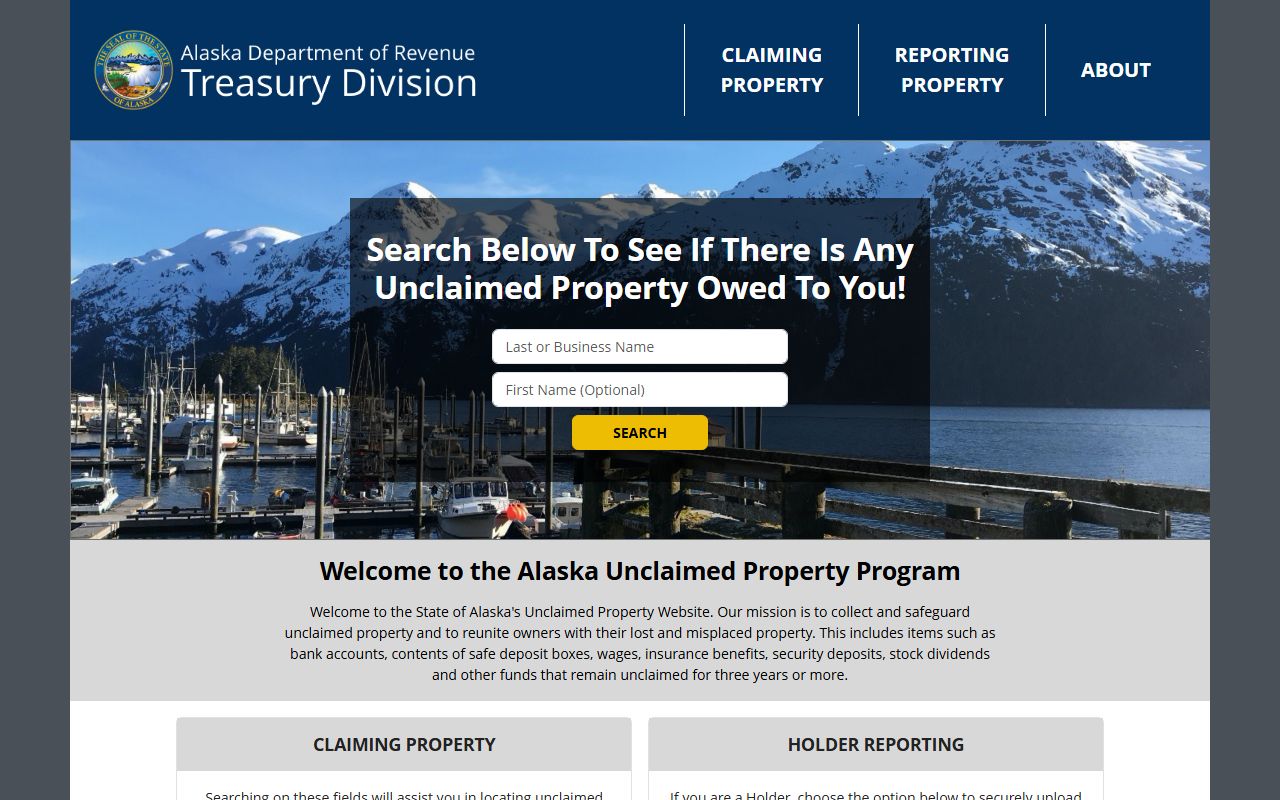
This is the starting point for Alaska Unclaimed Money search work, and it keeps owners, heirs, and holders on one state page.
For the direct claim search tool, see the Alaska claim search portal.
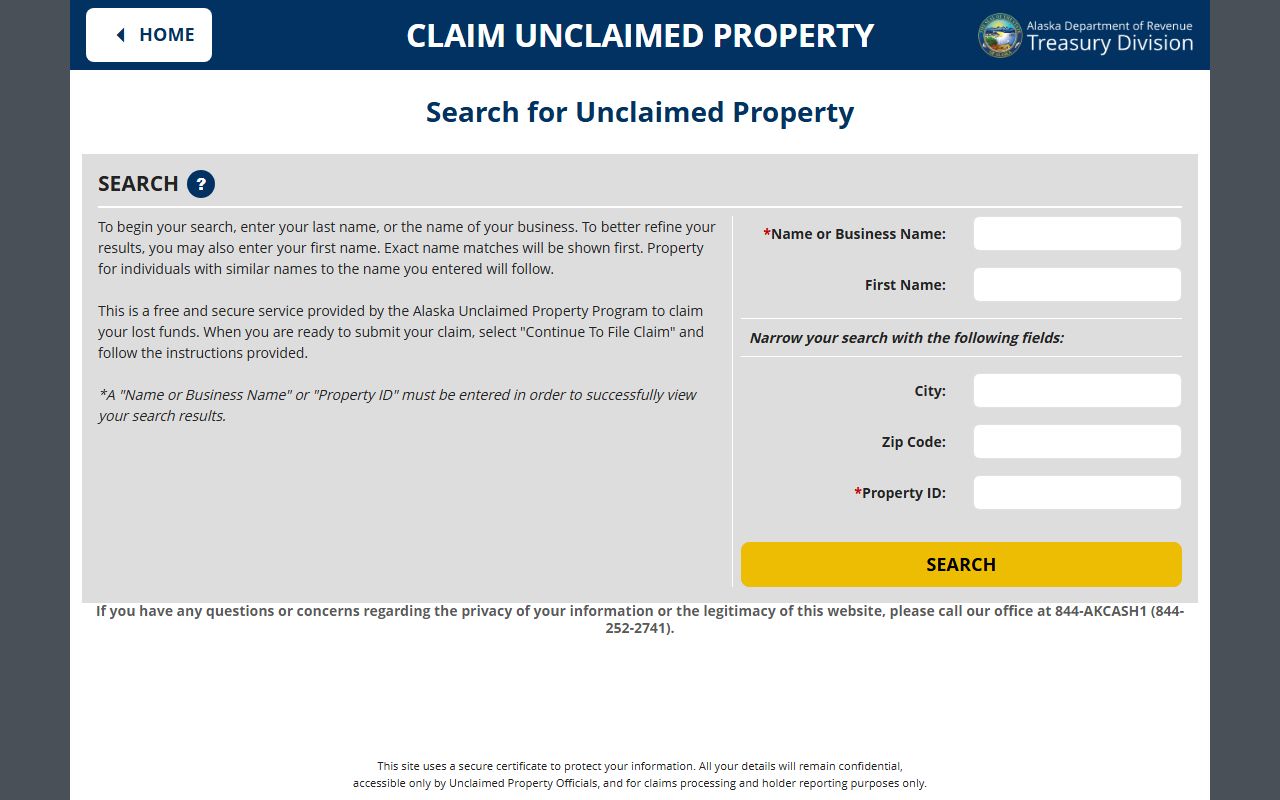
The search portal is where a name match turns into a live claim, so it is the best place to check before you gather papers.
For program help and mailing details, see the Alaska contact page.
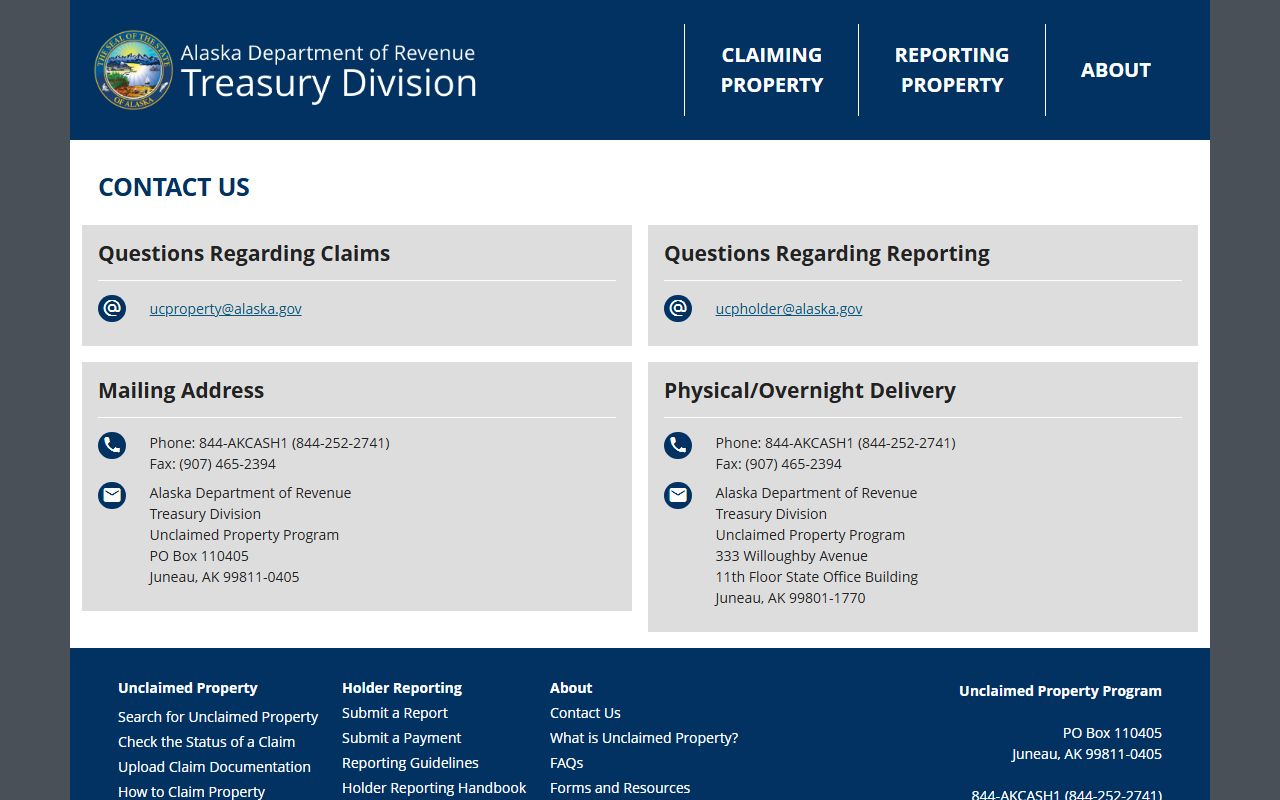
Use the contact page when you need the Treasury Division office path, a mailing address, or a clear answer on claim steps.
Alaska Unclaimed Money Claims
Once a record is found, Alaska asks for proof that fits the claim. That can mean a photo ID, proof of address, a death certificate, probate papers, or a form that shows the link between the owner and the funds. The state portal lets claimants upload documents, and the system gives a claim number so the file can be tracked. Alaska also sends email instructions that matter because the response window starts from that notice. If you miss the window, the file may slow down, so it helps to act fast and keep each file clear.
Owners do not lose the right to claim unclaimed property just because time passed. Alaska holds the property in trust until the owner or heir proves the right to take it back. That rule matters for older accounts, safe deposit box contents, old wages, and long-dormant deposits. The state research also shows shorter dormancy periods for some kinds of property after Senate Bill 231, so the type of asset matters as much as the name on it. A bank deposit, a utility deposit, and a life insurance payment do not all age the same way.
For the Treasury Division overview, see the Alaska Treasury Division page.
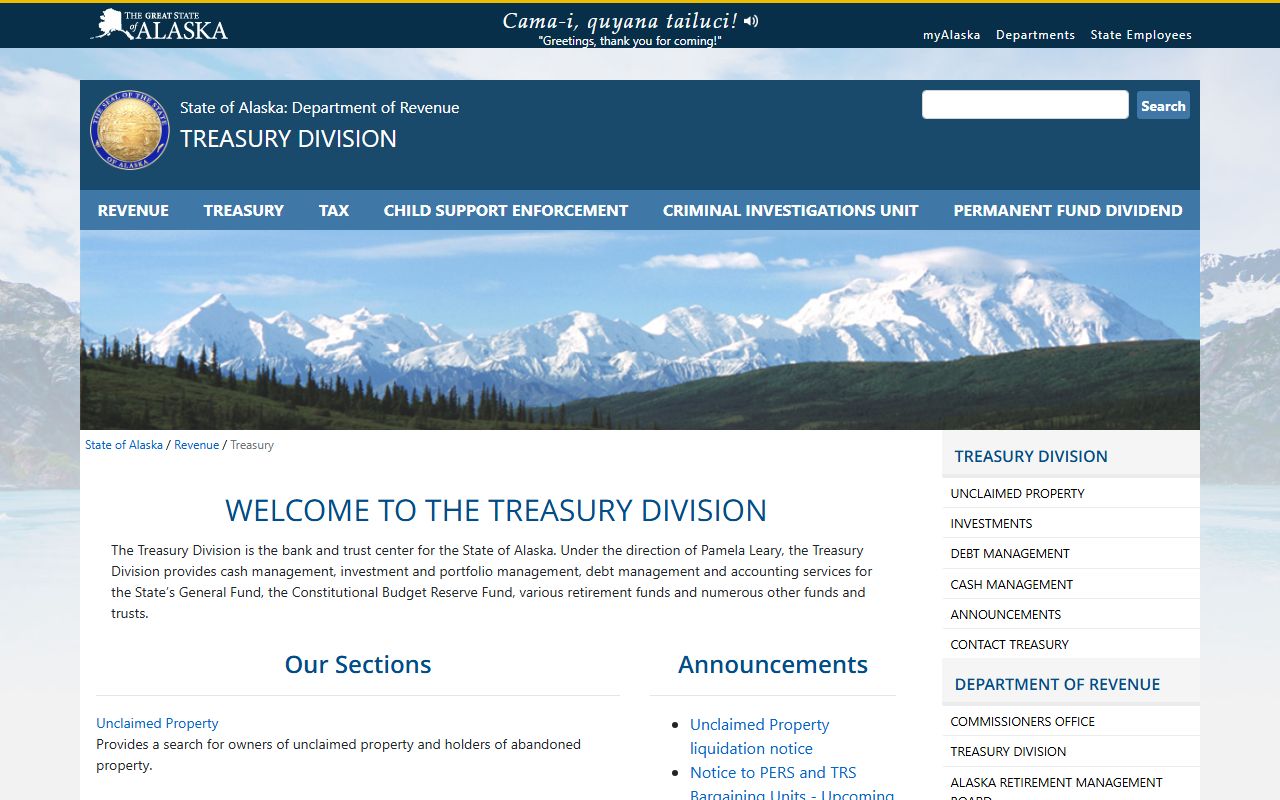
The Treasury Division is the office behind the program, so it is the best place to understand who holds Alaska Unclaimed Money and why.
For the statute page, see AS 34.45 and the Alaska Unclaimed Property Act.
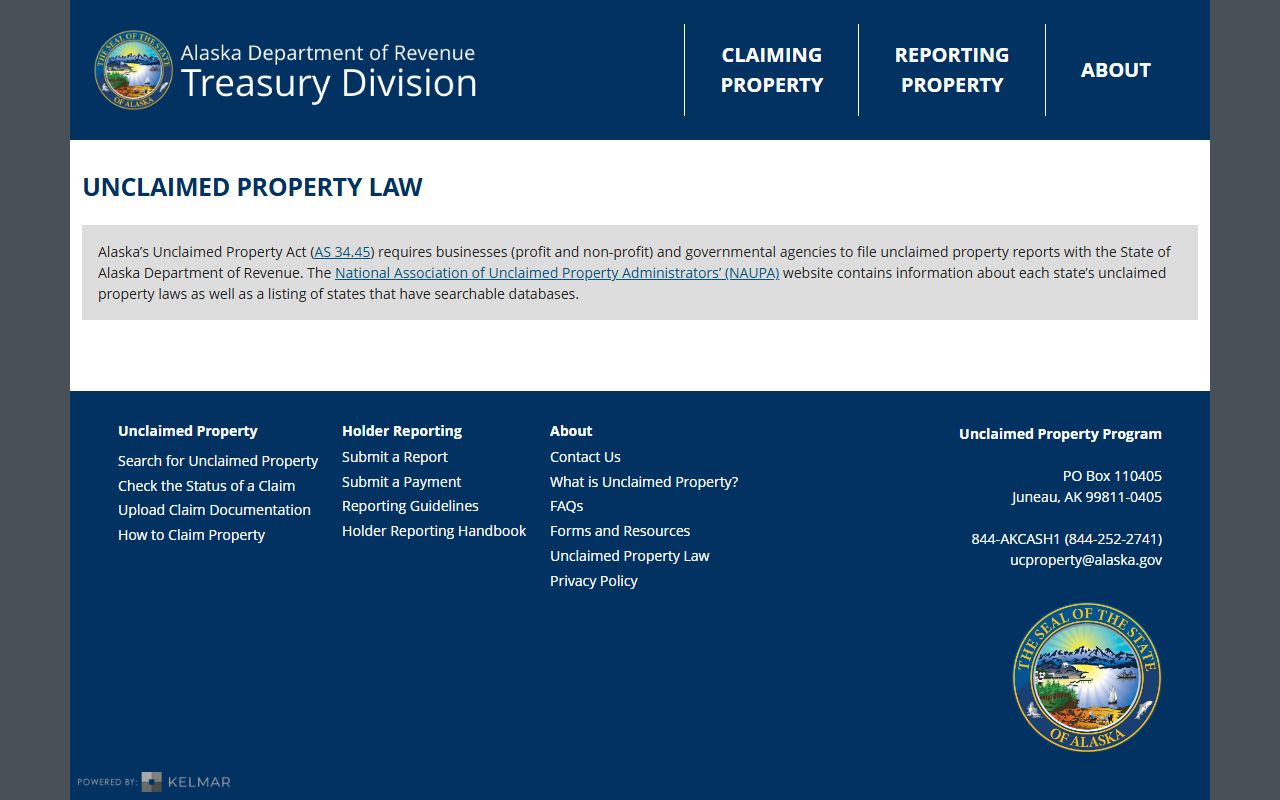
AS 34.45 explains the state rules for abandoned property, holder duties, and the owner right to claim the funds later.
For the 2023 update, see Senate Bill 231.
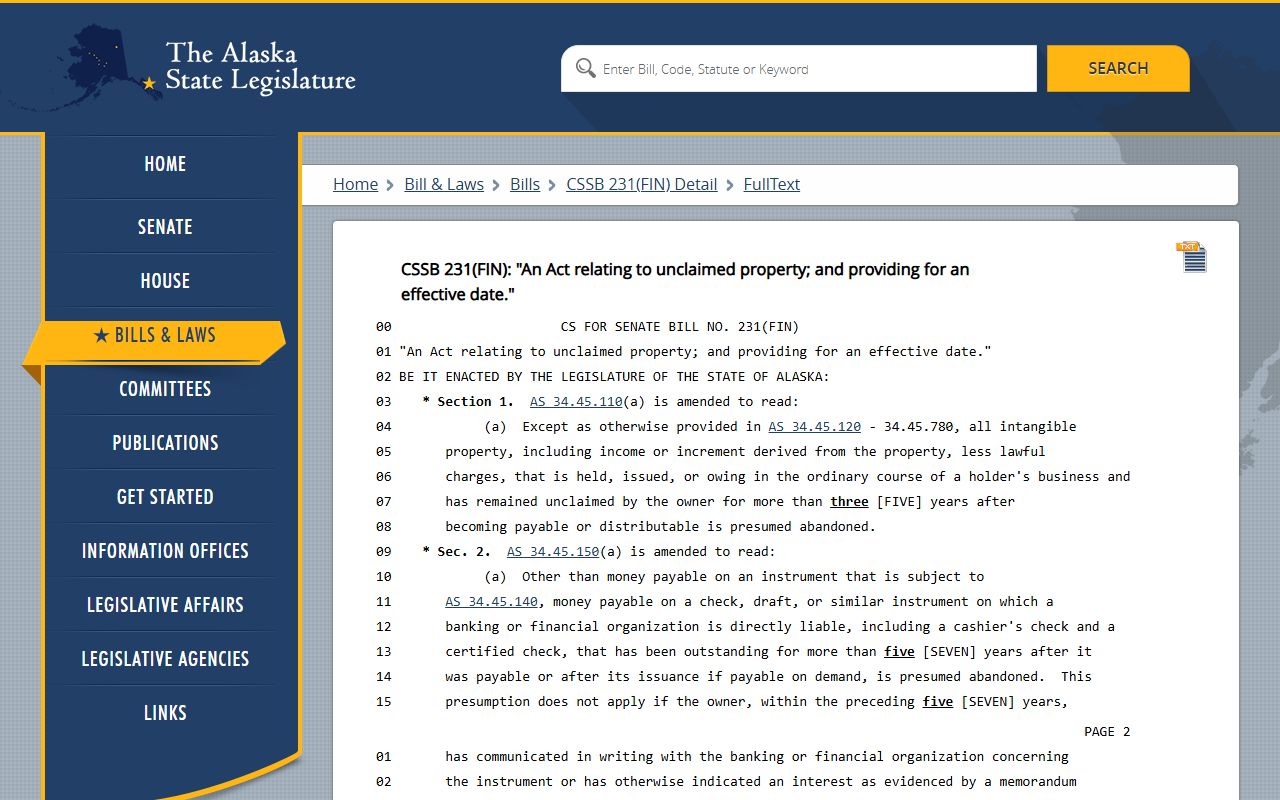
SB 231 shortened several dormancy periods, including the general intangible rule that now runs from three years instead of five.
For the formal state-side rules behind search and claims, use the Alaska Unclaimed Property Act page, then compare it with the Treasury Division and contact pages when you need the live claim process.
That keeps Alaska Unclaimed Money research tied to official sources instead of a secondary summary, which matters when you are working with an heir claim, a dormant business balance, or an older record that needs exact state handling.
Note: Alaska Unclaimed Money can stay claimable for years, so a slow search is better than a missed one.
Alaska Unclaimed Money Reporting
Businesses and public bodies also have a side of the process. Holders report property when the law says it has gone idle, and Alaska asks for NAUPA format files when the report is large enough. The program accepts electronic reporting, secure uploads, and holder guidance through the Treasury Division. That setup helps banks, insurers, utilities, and other holders send in records without mailing a stack of loose files. It also gives the state a better way to match the right owner with the right account.
The reporting side matters because different property types age on different clocks. Wages and utility deposits can reach the state after one year, while bank deposits usually run five years and life insurance proceeds three years. Safe deposit box contents may also move after one year. Those differences are why the law page matters as much as the search page. If a holder sends in a report late or with weak backup, the claim file can take longer to sort out.
For the Alaska NAUPA page, see NAUPA Alaska reporting guidance.
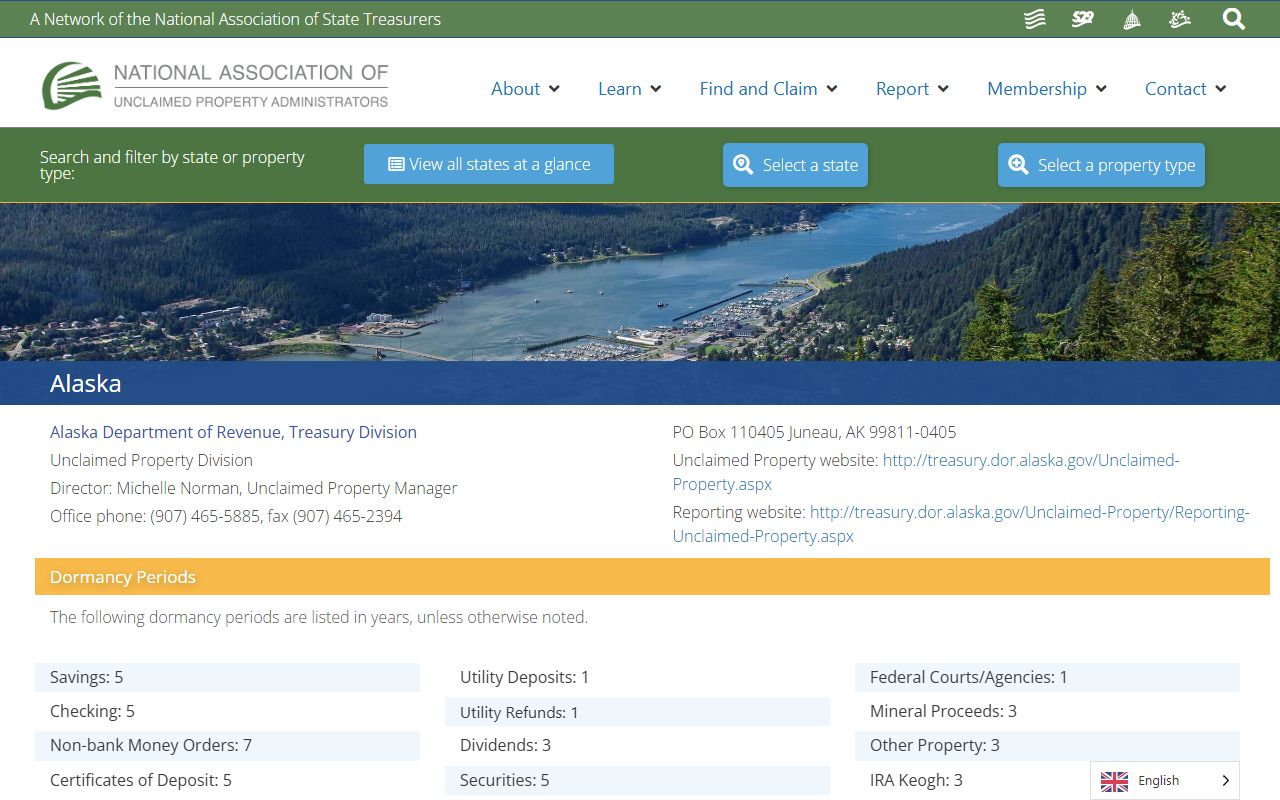
NAUPA is the key reporting guide for holders, and it helps show how Alaska wants unclaimed property data sent in.
For a national search fallback, see MissingMoney.
MissingMoney adds a second search lane, which is useful when you want a national check before you focus on Alaska only.
For failed-bank guidance, see the FDIC state directory.
The FDIC page points people back to Alaska when funds from a failed bank or similar institution were turned over to the state.
Note: Alaska uses report dates, property type, and owner contact history together, so a holder record should be checked line by line.
Alaska Unclaimed Money Records
Not every clue sits inside the unclaimed property portal. Court and recorder records can help when money came from a case, a bankruptcy file, or a land record trail. That is why the federal court page, the Alaska Court System, and the DNR Recorder Office matter here. They do not replace the state portal, but they can help explain where the money came from and who may still have a legal claim to it. For older estates and some business matters, that record trail can save a lot of guesswork.
Some owners start with a court record because the money came out of a case. Others begin with a deed, mortgage, or lien record because the property history points to a name or address. Alaska Unclaimed Money search work gets easier when you can match a claim to a court file, a recorder entry, or a land record note. That is especially true when names changed, a business closed, or the owner moved often. The key is to follow the paper trail one step at a time.
For bankruptcy-related funds, see the U.S. Bankruptcy Court for Alaska.
The bankruptcy court page helps when unclaimed funds came out of a federal case and not from the state program alone.
For the court system, see the Alaska Court System.
The court system page gives another path for record checks when a name, case, or order helps explain the money.
For land and recorder checks, see the Alaska DNR Recorder Office.
The recorder office matters when the paper trail starts with a deed, a lien, or another filing tied to a place or owner.
Browse Alaska Pages
Use the local directories below when you want the county and city pages already in this Alaska project. The county page list covers boroughs, census areas, and unified municipalities. The city page list covers the Alaska city pages now built in the repo, so you can move from the state rule set to the local page that fits the place you are checking.
If you already know the place, jump straight to the local page. Anchorage, Juneau, Fairbanks, Kenai, Wasilla, and Kodiak each have page-level details that can help you narrow a name, a local office, or a paper trail. County pages matter when a borough or census area controls the record trail, while city pages work well when you want a place-based start for a search. That split keeps the project easy to scan and helps you move from the statewide search to the right local context without wading through the wrong place names.