
Find Nome Census Area Unclaimed Money
Nome Census Area unclaimed money searches begin with Alaska's state claim system, but the local Nome office still matters when a property record, address trail, or land note points you in a specific direction. Alaska keeps unclaimed property at the state level, so the city does not hold the claim file. Even so, Nome residents can use the city site and local property records to narrow the search before they file. That makes the process simpler when you only know a name, an old residence, or a business that may have left money behind.
Nome Census Area Unclaimed Money Search
The official Alaska portal at unclaimedproperty.alaska.gov is the main search point for Nome Census Area unclaimed money. It is run by the Alaska Department of Revenue, Treasury Division, which keeps custody of the property until the rightful owner or heir claims it. The search page at unclaimedproperty.alaska.gov/app/claim-search lets you search by last name or business name, check the property details, and begin the claim if the record matches. That is the best place to start because it tells you whether the lead is real before you spend time on local records.
Once a match appears, the portal gives you a claim number and lets you upload supporting documents. Alaska uses secure uploads so you can keep the papers in one file instead of mailing everything at once. The state also says claimants generally have 90 days to respond to emailed instructions, which means the claim stays active if you answer on time. Alaska holds claims indefinitely for owners and heirs, so a Nome lead from years ago can still be worth checking now. That makes the search useful even when the account, refund, or payment has been quiet for a long time.
For a second pass, you can use MissingMoney, the NAUPA-endorsed national database that includes Alaska reporting. That helps when a name was entered a little differently or when a business account has changed shape over the years. The NAUPA Alaska page at unclaimed.org/reporting/alaska is another clean official reference, and the Treasury Division homepage at treasury.dor.alaska.gov confirms the state office that manages the program. Those sources are the right fit when you want to double check the state side from more than one angle.
Nome's local site at nomealaska.org is the best local doorway when a property trail, address, or city account gives you a clue. Research for Nome shows that the Nome Assessor maintains local property records, while the Alaska Department of Natural Resources handles land records. That split matters because a property record can point to the right person even when the money itself belongs to the state. If the claim starts with an old address or a parcel note, the city site and the DNR recorder path can help you line up the facts before you upload the claim.
The official Nome site at nomealaska.org is the clearest local starting point for a Nome Census Area unclaimed money search before you move into the state database.
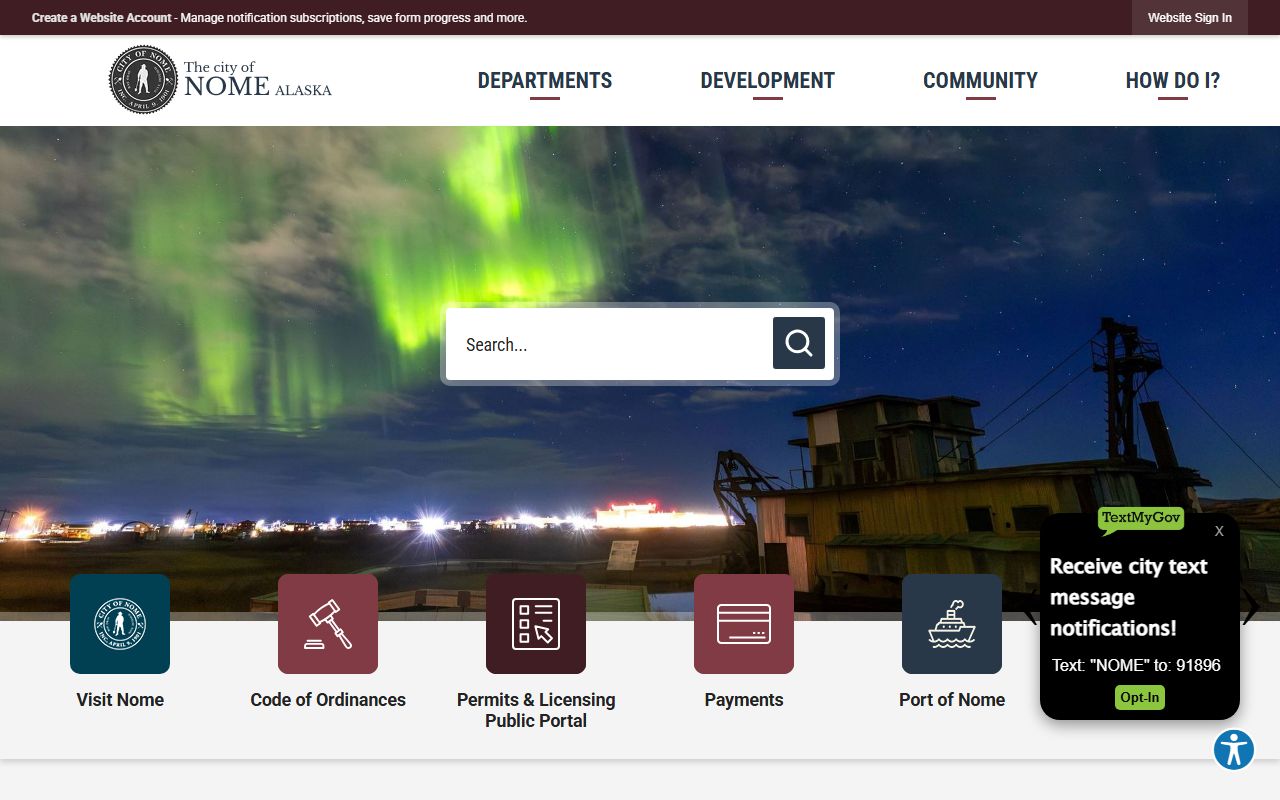
It is the page to use when you need the city side of the trail to make sense before you file with Alaska.
Nome Census Area Property Records
Nome property records are important because they can tell you which name, parcel, or address belongs in the claim file. The research notes that the Nome Assessor maintains local property records, while the Alaska Department of Natural Resources handles land records. That means a Nome search often has two local layers. One is the assessor side for property context. The other is the state land-record side for deeds, titles, and related history. Together, those sources can explain why a name appears in the Alaska unclaimed property database.
When a claim starts with a place instead of a person, the land trail can be more useful than the check trail. A parcel, a former mailing address, or a past owner name may connect the dots. If that happens, the DNR Recorder's Office link at dnr.alaska.gov/ssd/recoff/ is the right state resource to keep nearby. Alaska stores those records centrally, so the DNR path works well when Nome's local office only gives part of the story. That is a practical way to narrow a claim before you move into the upload screen.
Nome residents should think of the city site as the local map and the Alaska portal as the claim desk. If the local property record helps you confirm the address, you can keep the file focused on the right owner. If the record is thin, you can still file the claim through the state and then use the supporting documents to explain the link. The better the record trail, the smoother the claim review usually goes.
Nome Census Area Unclaimed Money Law
Nome Census Area unclaimed money follows Alaska law, and the legal path is the same one used across the state. The main statute page is AS 34.45, and the 2023 update appears in Senate Bill 231. Those sources explain when property becomes presumed abandoned and when a holder must transfer it to the state. For many general intangible items, the dormancy period is now three years. That shorter clock helps explain why some Nome records show up faster than older Alaska rules would have allowed.
The law also keeps the owner's right alive. Alaska says a claimant can pursue property indefinitely, which means a long-dormant Nome account does not stop being recoverable just because time has passed. That is a strong rule for heirs, owners, and business representatives who are trying to reconnect a name to a lost record. If you need the state contact page, unclaimedproperty.alaska.gov/app/contact-us lists the mailing and street addresses for the Treasury Division, and the Treasury homepage at treasury.dor.alaska.gov confirms the office that runs the program.
If the money came from a failed bank, the FDIC Alaska directory at fdic.gov/bank-failures/unclaimed-property-information-state points you back to the state program. If the claim belongs to a court case, the U.S. Bankruptcy Court for the District of Alaska page at akb.uscourts.gov/unclaimed-funds is the right federal route. Those are not local Nome offices, but they are high-authority sources that keep the claim path clear when the origin of the money is different from the place you live.
The Alaska law page at unclaimedproperty.alaska.gov/app/ucp-law explains the rules that control a Nome Census Area unclaimed money claim and confirms that the state keeps the money until the rightful owner shows proof.
That makes the state law and the local city site part of the same search path, not separate searches.
Claiming Nome Census Area Unclaimed Money
When a Nome match looks real, move straight to the claim file and keep the proof tight. Start with the Alaska search portal, open the claim, and gather the papers that connect you to the money. The portal is designed for document upload and claim tracking, so it is worth using instead of mailing loose copies unless the claim instructions require it. A clean file is easier to review, and the state can usually see faster what belongs to the owner and what needs more proof.
Most Nome claims will need a photo ID, address proof, and some record that ties the claimant to the property. If the owner died, the heir will usually need probate papers and a death certificate. If the claim belongs to a business, the file should show who has authority to sign. Alaska's claim system does not give the money away casually. It checks the paper trail, then keeps the file active while the review moves on. That is why the upload step matters so much.
If you get stuck, use the Alaska contact page and the city site together. The city site at nomealaska.org can help you confirm the local property side, while the state contact page can help you with the claim side. That split is normal in Nome. The local office helps you find the clue. The state program helps you recover the money.
- Photo ID for the claimant
- Proof of current address
- Old statement, notice, or check if one exists
- Probate papers and death certificate for heir claims
- Property record or assessor note from Nome if the trail starts with land
Use the Alaska portal, MissingMoney, and the DNR records page together when the Nome lead is not obvious. That mix gives you the claim system, a second national search, and the land-record backstop. It is the best way to keep a Nome Census Area unclaimed money search focused without drifting into low-value records or guessing at the wrong office.